
Losing someone you love is overwhelming.
Whether the loss was sudden or you had time to prepare, it’s common to feel like there are a hundred things you should be doing. Family members have questions. The funeral home needs information. Paperwork starts arriving. Everyone seems to have advice about what needs to happen next.
One of the things I often tell families when they call our office is that they do not need an appointment that day. There will be legal and financial matters to address in the weeks and months ahead, but most families do not need to make an immediate appointment with an attorney.
I learned that lesson personally when my father died. Family, friends and neighbors gathered at my parents house while the hospice team handled the things that needed immediate attention. We shared stories, opened a bottle of champagne, and celebrated his life.
The day someone dies doesn’t need to be about legal formalities. It can be about your family, honoring your loved one, and taking care of the few things that truly require immediate attention.
If you’re wondering what to do after a death in California, you’re not alone. Most families have never been through this process before and aren’t sure what needs to happen right away and what can wait. The good news is that there is a path forward, and you don’t have to figure everything out at once.
Notify close family members and friends. Work with the funeral home on arrangements. If your loved one had pets or dependents, make sure they are cared for. If funeral, burial, or memorial instructions were left behind, locate them if you can.
The First Few Days
Many families also feel pressure to start handling financial and legal matters immediately. In reality, much of that can wait. Accounts often cannot be closed, assets cannot simply be transferred, and property cannot be distributed until the appropriate legal process has been identified and the necessary authority is in place.
For now, focus on the immediate needs of your family and on gathering information. Understanding what comes next is usually more important than acting quickly.
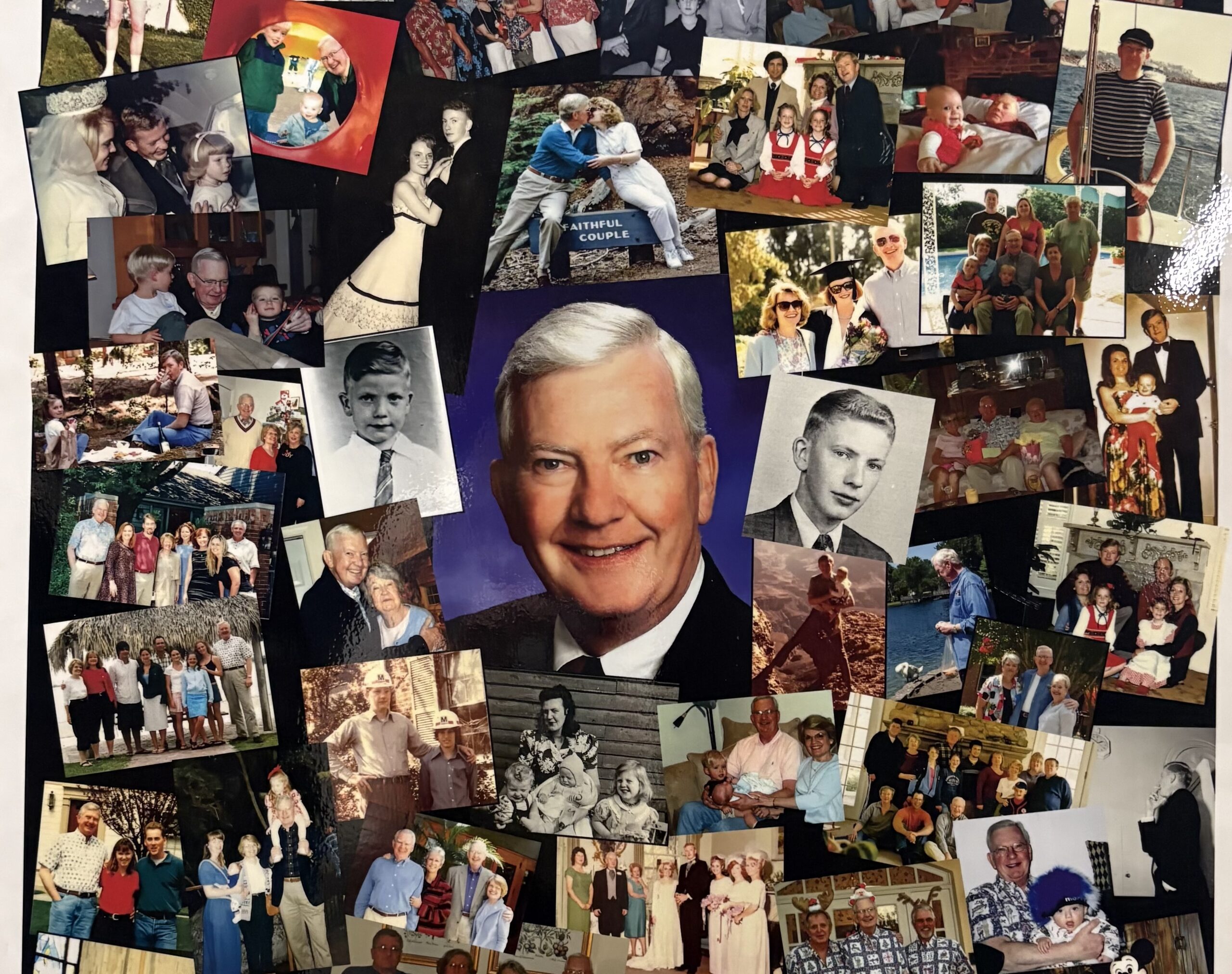
The image used in this article is a photo collage I created for my father’s memorial service. Looking through old photographs and sharing memories with family and friends reminded me that those first few days are about much more than paperwork and legal formalities.
What Happens Next?
The next step is usually gathering information. Locate important documents, identify assets and accounts, and begin notifying organizations of the death. One of the first things families often discover is that they aren’t sure whether a trust or will exists. If a loved one dies without either, California law provides a default plan for who inherits their assets.
Depending on the circumstances, settling an estate may involve trust administration, probate, insurance claims, survivor benefits, or other financial and legal matters.
Every family is different, and every estate is different. Some families have only a handful of matters to address. Others have a much longer list. The important thing to remember is that this process unfolds over weeks and months, not days.
Every Estate Has Next Steps
One of the first questions many families ask is whether anything actually needs to be done after a loved one dies. Some assume nothing needs to happen because there is a trust. Others assume probate is unavoidable. The answer often falls somewhere in between.
Every death creates legal and practical responsibilities. Whether an estate ultimately requires probate, trust administration, a small-estate procedure, or something else entirely depends on the assets your loved one owned, how those assets were titled, whether an estate plan exists, and the people they left behind.
Some families have only a handful of matters to address. Others have a much longer list. Understanding which situation applies to your family is often where a conversation with an attorney can be helpful.
Request Our “When a Loved One Dies” Checklist
We’ve created the When a Loved One Dies Checklist to expand on the topics discussed in this article. It organizes many of the practical tasks families commonly encounter after a death into a format you can review at your own pace.
Request the checklist below and we’ll email it to you so you can review it whenever you’re ready.
A Final Thought
Grief doesn’t follow a checklist, and the legal process doesn’t happen in a single day. Give yourself permission to focus on what truly needs your attention first and allow the rest to happen one step at a time.
If you would like a practical roadmap for the days and weeks ahead, request our When a Loved One Dies Checklist. It organizes many of the tasks families commonly encounter after a death into a format you can review whenever you’re ready.
As questions arise, remember that you do not have to figure everything out on your own. Most families aren’t sure what comes next, and that’s okay. We’re here when you’re ready.